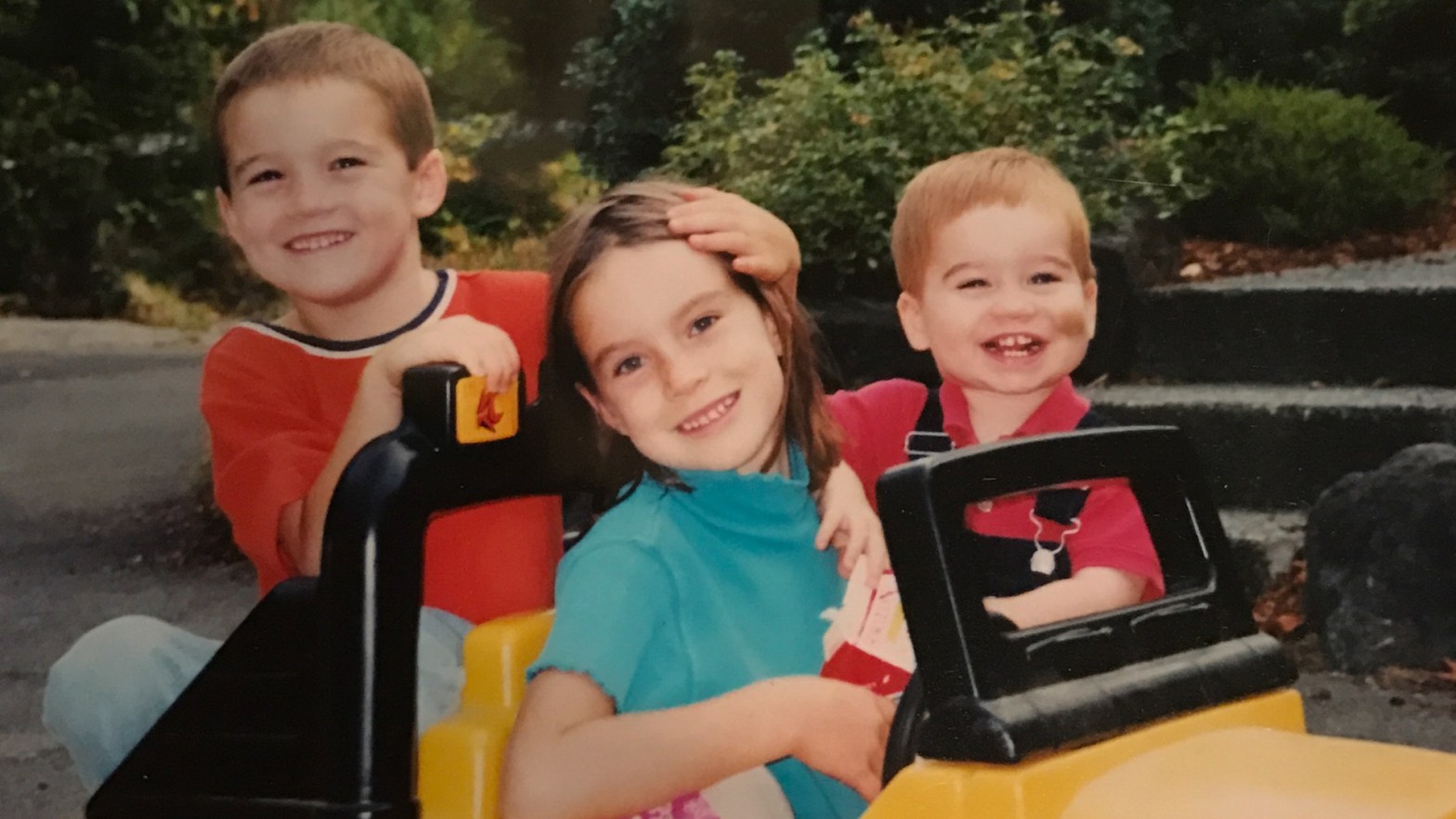
On March 4th, 2017, my friend Will (Scooty) Taylor died by suicide. There were no warning signs, nothing in hindsight to signal suicide was a possibility. On the surface, Will seemed fine. He was a few weeks away from college graduation, and had his whole life ahead of him. But behind the Will that we all knew as an incredibly positive, energetic and caring person, there were challenges we will never fully understand.
In following the days, weeks and months, Will’s family and friends grieved. I still remember where I was, in my kitchen, when I heard Will had passed. My initial reaction was shock, then confusion. Why? Why did this happen? How did Will feel like that was the only decision left?
Still, these questions remain unanswered.
Losing a loved one, a friend, or a community member to suicide has become a nearly ubiquitous experience in the US. Suicide is the second leading cause of death in the 10-34 age group. In the US alone, a suicide occurs every 11 minutes (source).
Personally, I’ve lost count of how many people I know who have died by suicide. Although each situation is different, if there’s one thing I’ve learned, it’s that there is no reason to judge those who make this decision. It isn’t productive to solving the problem and certainly doesn’t foster open dialogue around mental health.
Inevitably, those affected by suicide face a difficult, yet critical decision: how to proceed. In Will’s case, the conversation around mental health began to yield some conclusions. For one, nearly everyone has dealt with significant psychological challenges. While isolation exacerbates the problems, knowing we aren’t alone in our struggles can be incredibly freeing. Second, in contrast to physical injuries, mental health issues are invisible. Immense pain and suffering can be concealed behind a façade of happiness and positivity. Third, it became obvious that there was a lack of support and resources, especially for young people transitioning to the next chapter of life.
Kasey Taylor, Will’s older sister, and a number of her friends started to ask the question, “So what are we going to do about it?” Their answer was The Scooty Fund. From a rag tag team of 5 to a fully functioning 501(c)3 with more than 30 volunteer members strong, The Scooty Fund has had profound impacts on not only Will’s direct community, but on young people around the nation.
When I was invited to join the board of directors in 2020 I didn’t hesitate in saying yes. To carry the torch forward and be one small part of this movement is an honor, and today I am thrilled to share The Scooty Fund Origin Story video:
If you or anyone you know may be interested in participating in TSF, you can contact me directly, or follow the Instagram page where we put out content almost daily, as well as highlight community members’ experiences through the Wellness Warrior Wednesday program.
There’s more to say, there’s a Will and a way.
 Kyle Huber
Mental health is a delicate subject for many reasons. Sometimes because it’s difficult to understand or it forces us to confront tough realities about our own minds.
LikeLike
Thanks for reading the blog and checking out the video 🙂
LikeLike
Love this Kyle. Love you to the moon and forever . Mama
Get Outlook for iOS ________________________________
LikeLike