What happens when you study bitcoin through the lens of physics?
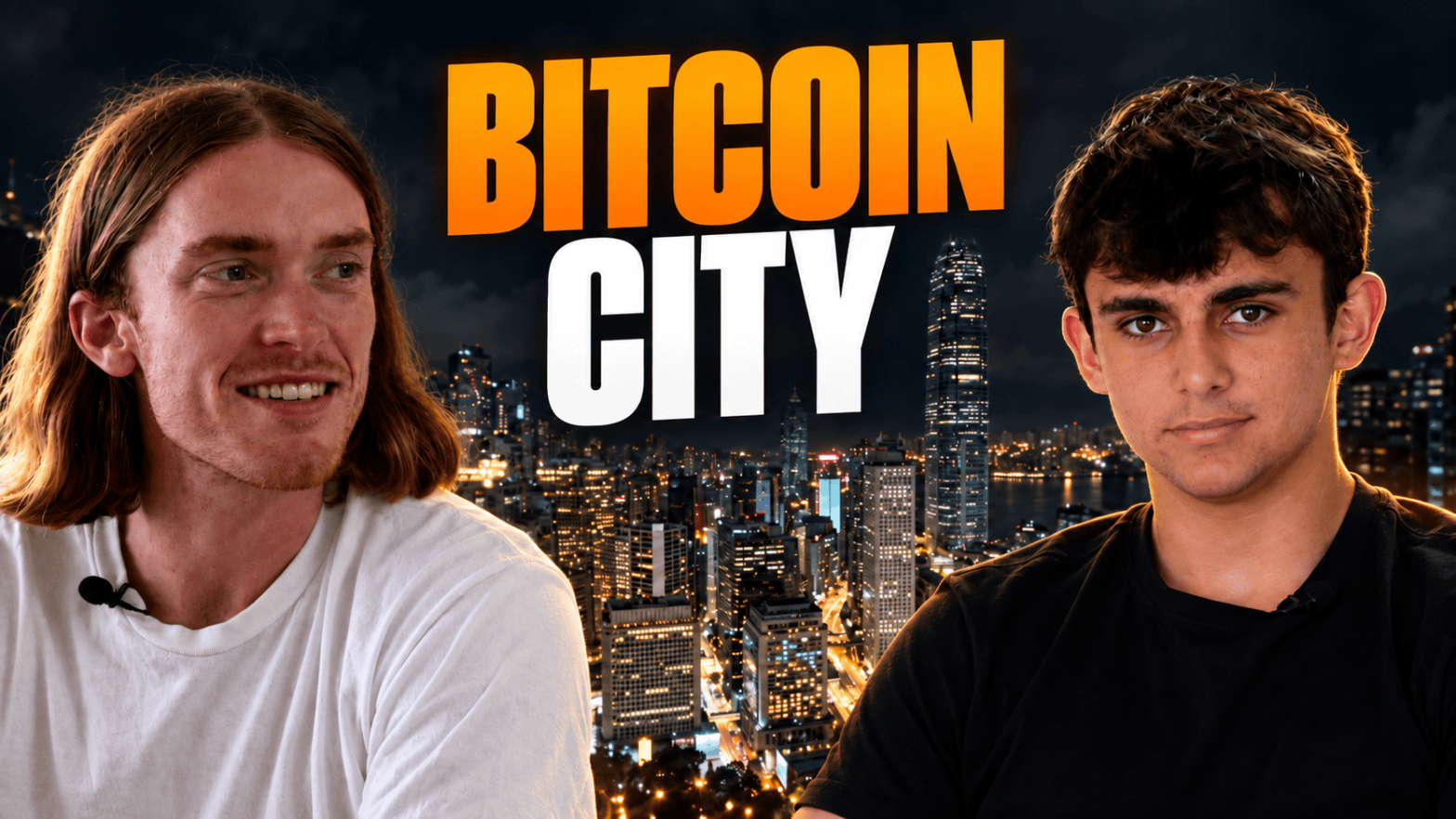
We Are Satoshi episode 67 with BitcoinLens.net authors Jack and Nick explores the idea that Bitcoin is more than a monetary network—it is a physical and informational system worth studying through the lens of fundamental physics. The conversation starts with proof of work and the often-repeated claim that Bitcoin is “backed by energy.” But what does that actually mean physically?
Jack and Nick argue that Bitcoin creates a relationship between energy, computation, information, memory, and time that may give us a new way to think about concepts usually kept in separate academic disciplines.
Bitcoin works because it solves the double-spend problem. Quantum computers don’t work because physics does not have an answer to the measurement problem. Is it possible that our understanding of physics could evolve through observing and studying bitcoin?
To me, exploring Bitcoin from outside the usual economics and finance lens yields new perspectives that can be applied to current debates around bitcoin development, building businesses on bitcoin and even personal life decisions.
These are ambitious and speculative ideas—but that is exactly the point of the conversation: to examine Bitcoin as an open experiment rather than assume we already understand what it is.
Bitcoin Is More Than Money. It Might Be a Physics Breakthrough.
At the time we recorded, Zach and his team had helped bring 28 Hong Kong merchants live with Bitcoin payments in less than two months.
But one point from our conversation stuck with me:
Merchant adoption means very little if Bitcoiners never actually spend Bitcoin.
You can onboard 1,000 businesses, but if nobody walks through the door and pays them in sats, eventually those businesses have little reason to keep accepting it.
Zach described it as a simple supply-and-demand problem. Merchants are the supply side, and customers are the demand side.
A few things I took away from the conversation:
Stop selling merchants on ideology.
Talk to them about their business. Lower processing costs. No chargebacks. Less fraud. New customers. Easier payments.
Bitcoin UX has to compete with existing payment systems.
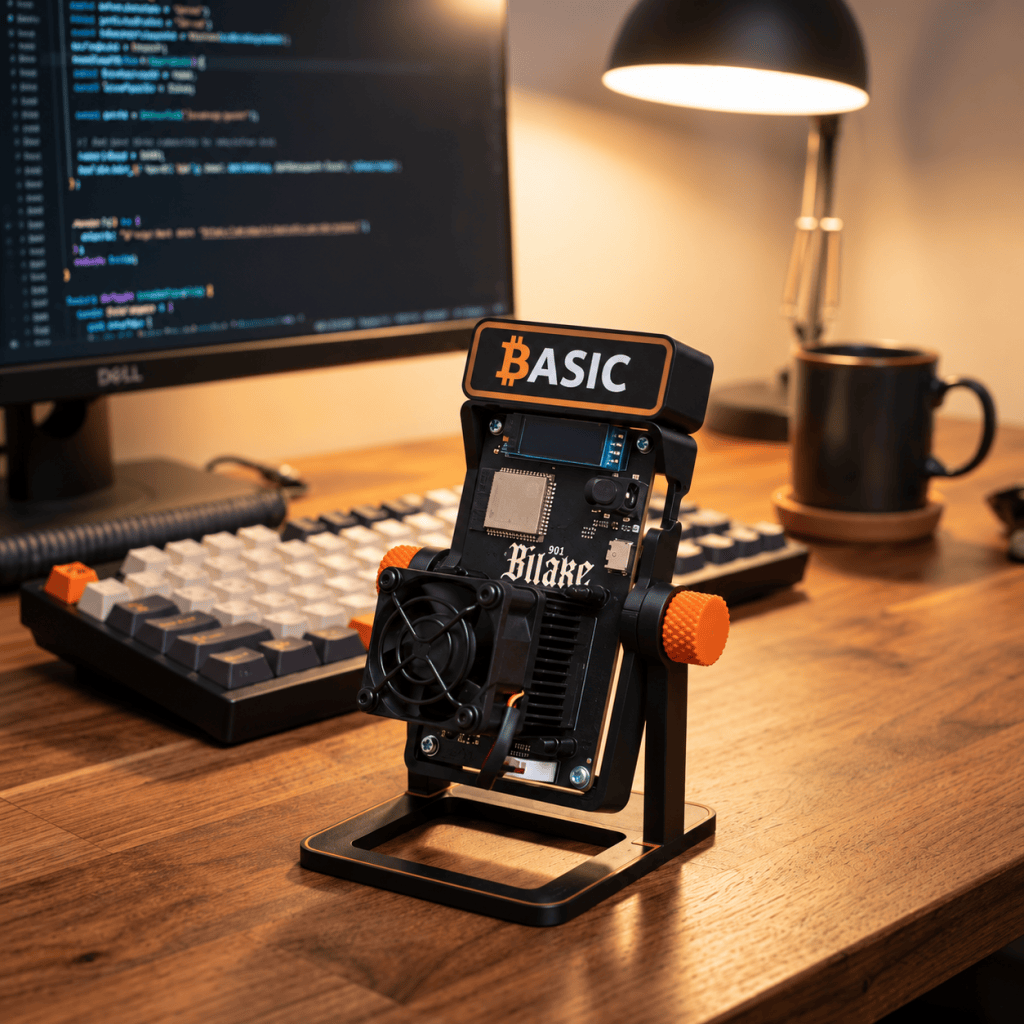
The Basic POS is designed so an employee doesn’t need to understand Bitcoin. Enter the HKD amount, generate the invoice, scan, confirm payment, print a receipt. It just has to work, and there is massive opportunity to create solutions for point of sale and online payments.
Zach had another line I liked:
“Bitcoin is at the end of the beginning.”
I agree. Bitcoin has proven it can be a savings technology. Now comes the harder, and arguably more important part:
Can it become money?
New episode of We Are Satoshi with Zach Wizenberg.
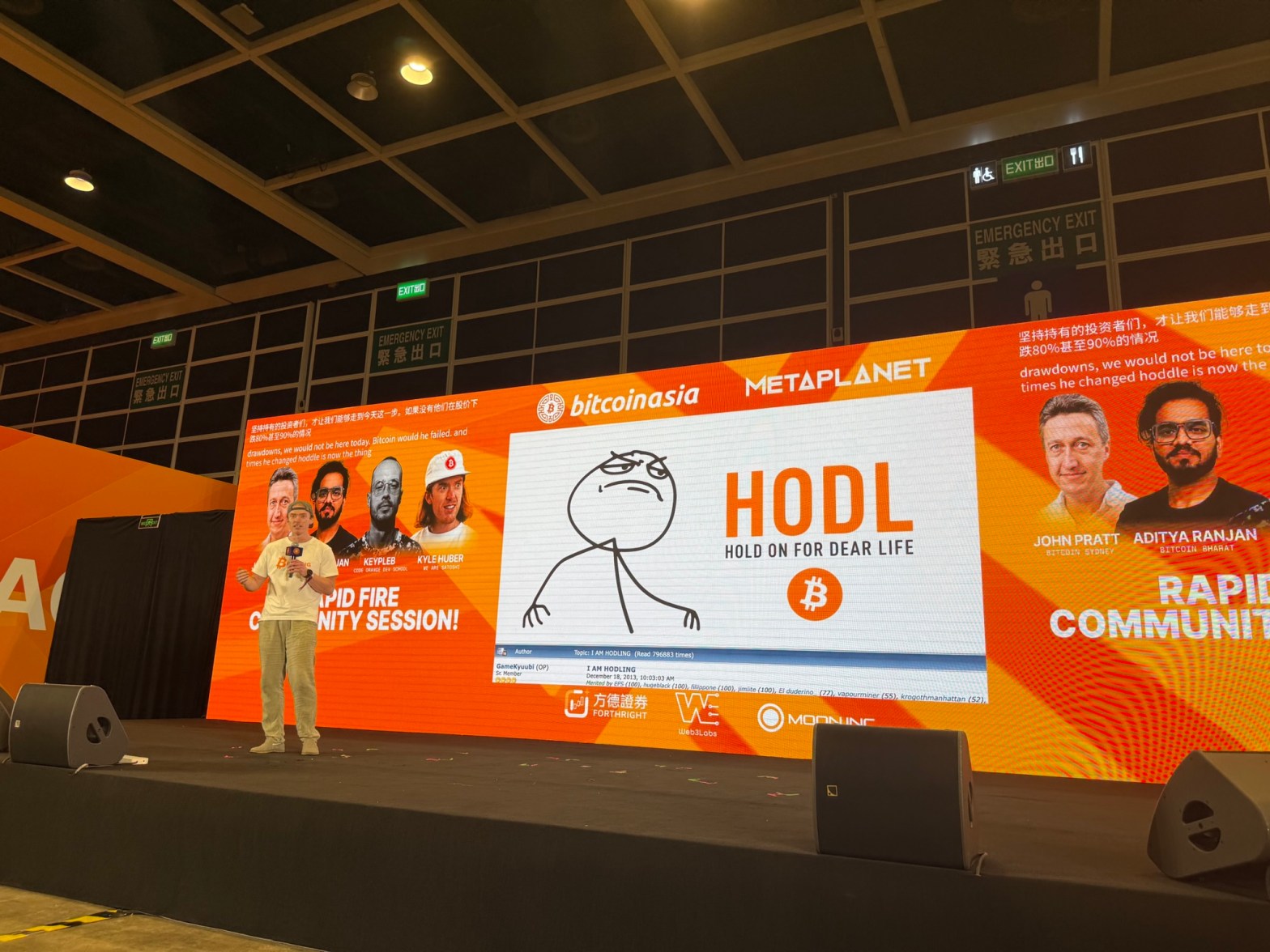
HODL is the greatest meme in the history of Bitcoin.
Without the OGs holding through 80–90% drawdowns, Bitcoin would have failed.
The HODL meme helped establish Bitcoin as a store of value.
Now, it is one of the biggest barriers preventing Bitcoin from going to the next level of adoption.
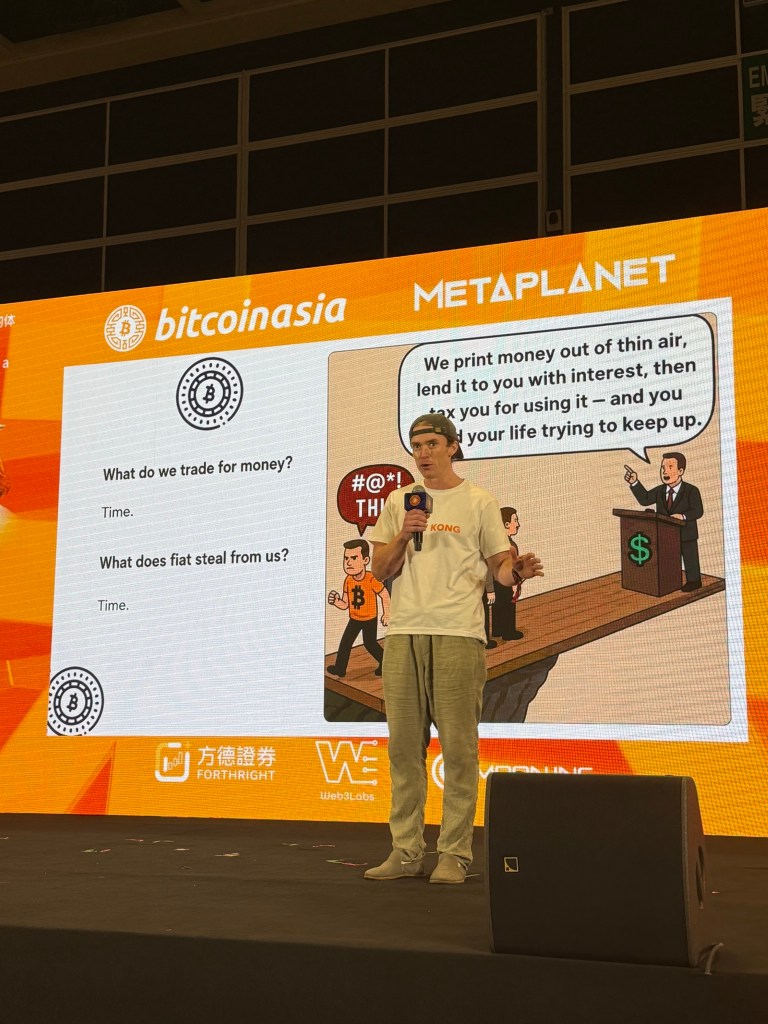
Last week I spoke at Bitcoin Asia in Hong Kong about this idea, with the goal of inspiring HODLers to get in the game and participate.
Over the past two years, I’ve traveled around the world trying to understand what Bitcoin adoption actually looks like on the ground.
And I’ve met people who aren’t just holding Bitcoin.
They’re building businesses with it, getting paid in it, teaching with it, creating communities around it.
In Bulgaria, I saw people building local circular economies and experimenting with Bitcoin mining. In Africa, I met people using Bitcoin as a tool for economic opportunity. In Indonesia, I saw a growing community organizing, educating, and building around Bitcoin.
What I’ve discovered is a rapidly growing, decentralized cohort of people using Bitcoin to participate in a global market that doesn’t require permission from a central authority.
And that changed the way I think about adoption.
One hill I will die on: Bitcoin doesn’t need more spectators. It needs participants.
We can’t expect Bitcoin to become a global medium of exchange if we never actually use it as one.
We can’t build a parallel economy by simply holding an asset and waiting for someone else to build it.
At some point, we have to move more than our money.
We have to move our time, energy, skills, and businesses.
That’s the shift I wanted to explore in my talk:
From owning Bitcoin → to building on Bitcoin.
And ultimately, from being a consumer of the network to becoming part of the network.
Because the next phase of Bitcoin adoption isn’t about getting more people to buy Bitcoin.
It’s about getting more people to build on top of it.
Thank you to everyone at Bitcoin Asia for giving me the opportunity to share these ideas.
And to everyone I’ve met along the way who is already building this future:
Bitcoin is not a democracy—and that may be one of its greatest strengths.
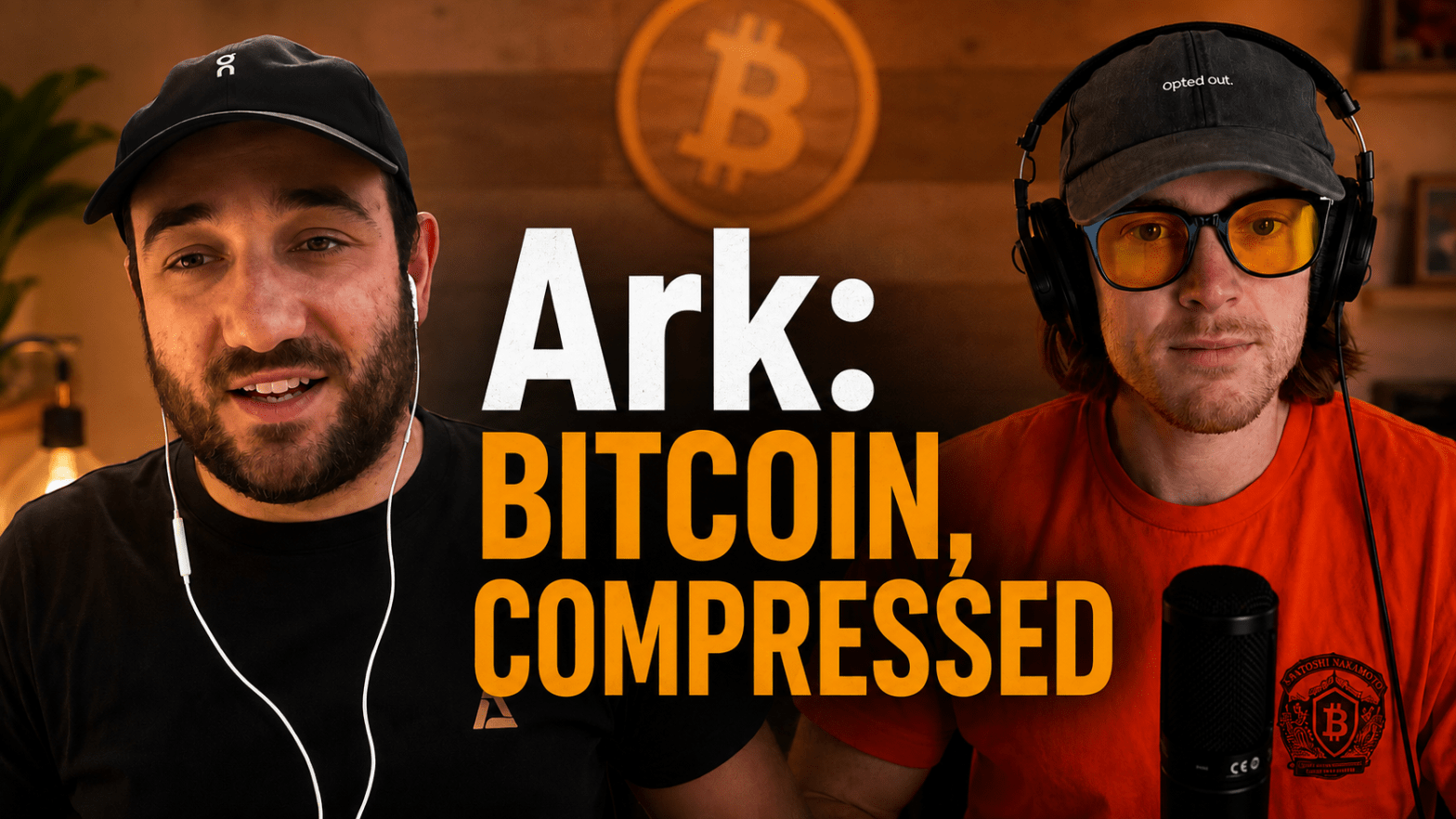
In this clip from my conversation with Marco Argentieri founder and CEO of Ark Labs, he explains why changing Bitcoin is so difficult, even when developers believe they are proposing something simple and beneficial.
He compares Bitcoin to a non-Newtonian liquid: the harder you push against it, the stronger the resistance becomes.
That resistance can be frustrating. Talented people have tried to improve Bitcoin with the best intentions, only to burn themselves out against a system deliberately designed to resist unilateral change.
But perhaps the mistake is assuming that Bitcoin should move like a conventional technology company.
There is no CEO setting the roadmap.
There is no committee that can force an upgrade.
There is no majority vote that automatically determines what everyone else must run.
Any meaningful change has to earn broad trust across a decentralized network of people with different interests, incentives and risk tolerances.
That process is slow, messy and sometimes deeply inefficient—but it is also what protects Bitcoin from being casually captured or rewritten.
The challenge for builders is learning how to contribute without approaching Bitcoin as something they are personally entitled to fix.
As Marco points out, pushing a “simple change” too aggressively can sometimes create the exact opposition that slows progress down.
The full conversation with Marco is now live on the We Are Satoshi Podcast.
Most people think Bitcoin’s biggest challenge is regulation.
Or governments.
Or education.
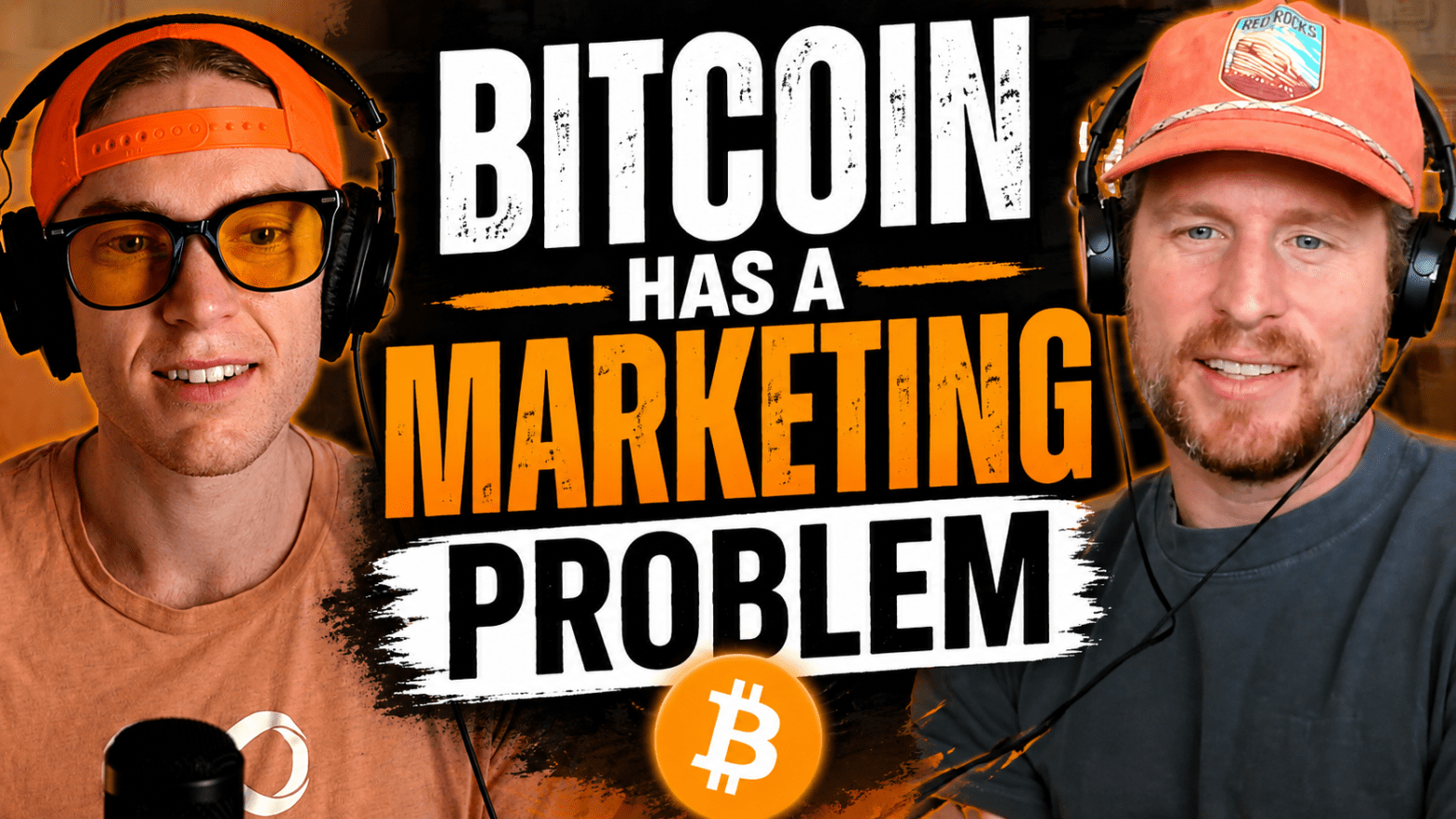
Bobby Shell IV made a different argument on my podcast that caught me completely off guard:
Bitcoin has a marketing problem.
Not because the technology isn’t good enough.
Because we’re often terrible at communicating why anyone should care.
One line stuck with me:
“Word of mouth is the greatest marketing tool.”
If that’s true, then adoption isn’t just about building better software. It’s about creating better conversations.
Three takeaways from our discussion:
1. Technology doesn’t sell itself.
Bitcoiners love talking about decentralization, hash rate, and self-custody. Most people don’t wake up wondering about any of those things. They care about solving problems in their own lives.
2. Winning arguments isn’t the same as winning people.
The Bitcoin community has some of the brightest technical minds I’ve met. But technical accuracy and emotional intelligence aren’t the same skill. If every conversation becomes a debate, we make it harder—not easier—for curious people to take the first step.
3. Every Bitcoiner is in marketing.
Whether you realize it or not, you’re shaping someone’s perception of Bitcoin every time you talk about it, post online, or help a friend set up a wallet. Your behavior becomes part of Bitcoin’s brand.
That made me rethink adoption.
Maybe the next wave won’t come from explaining Bitcoin better.
Maybe it’ll come from listening better first.
The full conversation with Bobby covers Lightning, stablecoins, AI, entrepreneurship, and why he believes the future of Bitcoin depends as much on communication as it does on code.
I’m curious…
Do you think Bitcoin has a technology problem—or a marketing problem?
A few weeks ago, I walked into a coffee shop and saw the Square logo on the point of sale device.
So I asked to pay with Bitcoin.
Not because I thought it would change the world. Not because I was trying to prove a point.
I just wanted to see what would happen.
The payment itself took seconds, but the conversation that followed lasted much longer. The owner got curious and started asking questions. The other two employees chimed in. Bitcoin went from abstract to tangible simply because I wanted a double shot of espresso.
This experience shifted my perspective on spending bitcoin through third parties like Square. Previously, I figured if the merchant isn’t actually holding the sats, I’ll just use a credit card.
But seeing the owner’s curiosity and the fruitful conversation that followed changed my mind.
I brought this up with Adam Simecka, founder of Manna Wallet, on the latest episode of the We Are Satoshi Podcast.
One of Adam’s core beliefs is that Bitcoin adoption doesn’t happen when people buy Bitcoin. It happens when they use it.
It’s a simple idea, but so many bitcoin holders don’t grasp it.
A lot of us spend hours discussing adoption, scaling, Lightning, self-custody, stablecoins, and the future of money. But sometimes the best way to understand where Bitcoin is headed is to stop theorizing and actually use it.
Whether you agree with Adam’s conclusions or not, this conversation made me think differently about what adoption really looks like.
Check out the full episode and subscribe on YouTube!
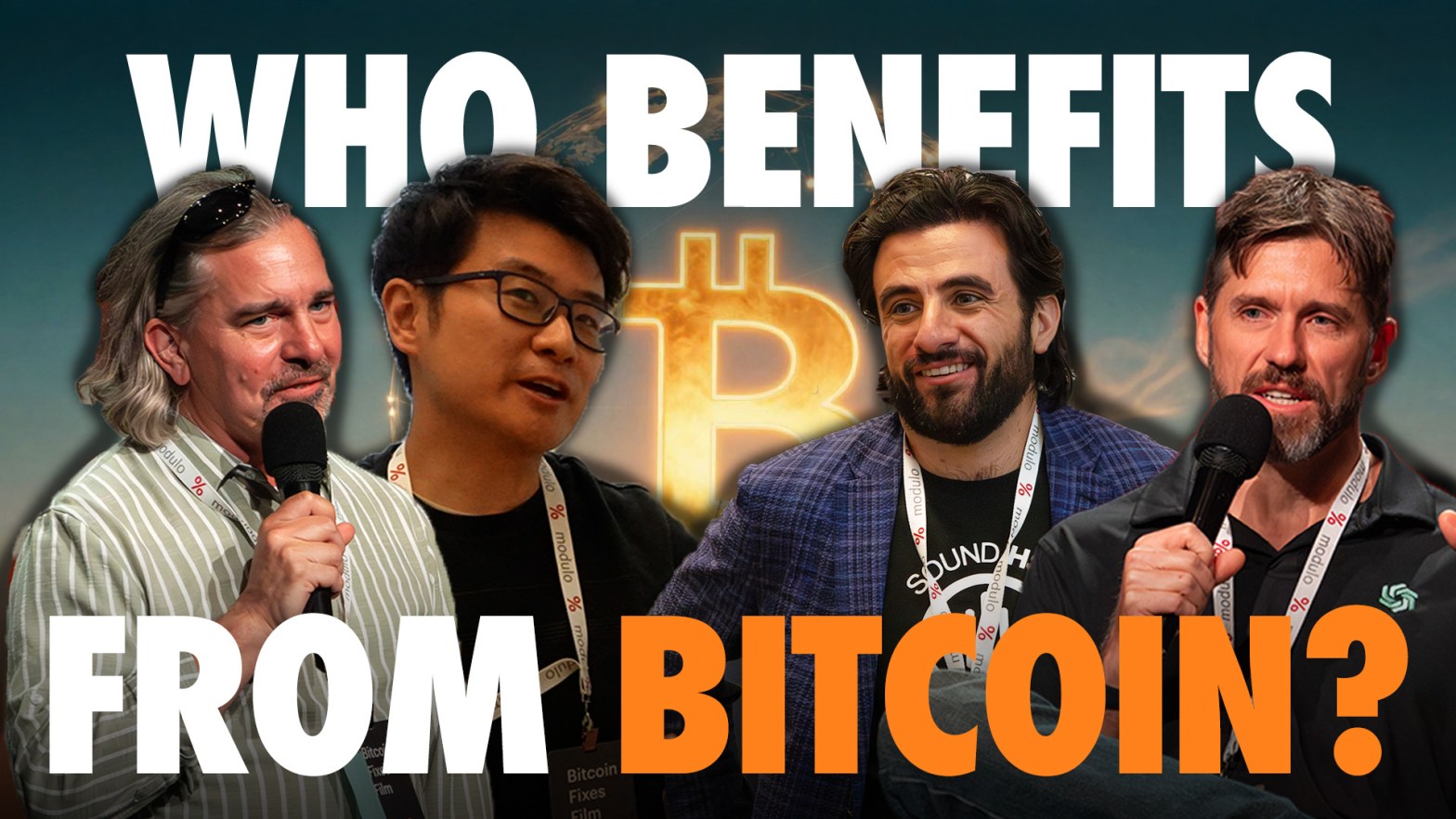
That was the question I kept coming back to at Bitcoin Is for Everyone in Portland.
Is bitcoin actually for everyone?
Or is it slowly becoming another tool for the rich to get richer?
It’s a fair question.
We see BlackRock buying bitcoin. We see Michael Saylor and public companies stacking. We see Wall Street building products around bitcoin. We see ETFs, IRAs, custody platforms, and financial institutions all trying to find their place in this new system.
And at the same time, we’re at a grassroots Bitcoin conference called Bitcoin Is for Everyone.
So how do we square that circle?
I asked that question to a few different people throughout the event, and the answers were simple but powerful.
Bitcoin is for everyone because inflation impacts everyone. Censorship impacts everyone. Centralization of money impacts everyone.
Even if you don’t own bitcoin yet, you still live inside a monetary system that affects your time, your energy, your savings, your health, your family, and your future.
You don’t need permission. You don’t need to be an accredited investor. You don’t need to know the right people. You don’t need to live in the right country.
You can simply choose better money.
I spoke with builders working at the intersection of Bitcoin and healthcare, people thinking deeply about health savings accounts, retirement accounts, tax advantages, and how bitcoin can become a long-term savings tool for real human needs.
That part really stood out to me.
And if we’re serious about building a better future, we can’t only think about bitcoin as something we hold. We have to think about how it changes the way we live.
Another big theme was self-custody.
This is where Bitcoin forces you to grow up.
Traditional finance teaches us to outsource responsibility. Give your money to the bank. Give your retirement to the institution. Trust the advisor. Trust the custodian. Trust the system.
Bitcoin gives you another option.
You can hold your own keys, run a node, and learn how the system works.
You can take responsibility.
That doesn’t mean everyone has to do everything perfectly on day one. There are tradeoffs. But the point is that bitcoin gives you the choice.
That choice does not exist in the traditional system.
One of the conversations that hit me hardest was around Wall Street coming into Bitcoin.
A lot of bitcoiners are uncomfortable with it.
I get it.
There’s something strange about watching the same institutions that benefited from the fiat system now build products around bitcoin.
But the reality is simple: they’re here. They’re not going away.
And maybe that’s not a sign that bitcoin has failed.
Maybe it’s a sign that bitcoin is working.
The old system is being forced to respond to the new one.
That doesn’t mean we hand them our keys.
That doesn’t mean we stop caring about sovereignty.
That doesn’t mean we turn bitcoin into another paper asset trapped inside the same broken system.
Because bitcoin is not only for Wall Street, corporations and the wealthy.
Bitcoin is not only for people who got in early.
Bitcoin is for the person trying to protect their savings from inflation.
It’s for the family sending remittances across borders.
It’s for the merchant tired of paying unnecessary fees.
It’s for the artist trying to fund their work.
It’s for the builder who sees a problem and decides to create a solution.
That’s what I love about these in-person Bitcoin events.
Online, it’s easy to get stuck in arguments.
In person, you meet the humans building the future.
And you remember that bitcoin adoption is not some abstract thing happening on a chart.
That’s the part I want to focus on.
Bitcoin may be for everyone, but that doesn’t mean everyone will automatically understand it.
And after spending time in Portland with the people building, teaching, creating, and using bitcoin, I’m more convinced than ever:
Bitcoiners love to say: “Bitcoin is freedom money.”
But here’s the uncomfortable question:
Can Bitcoin really be freedom money if using it exposes your entire financial life?
Bitcoin gives people a monetary network that no government, bank, or company can control. It is scarce, borderless, permissionless, and open to anyone with an internet connection.
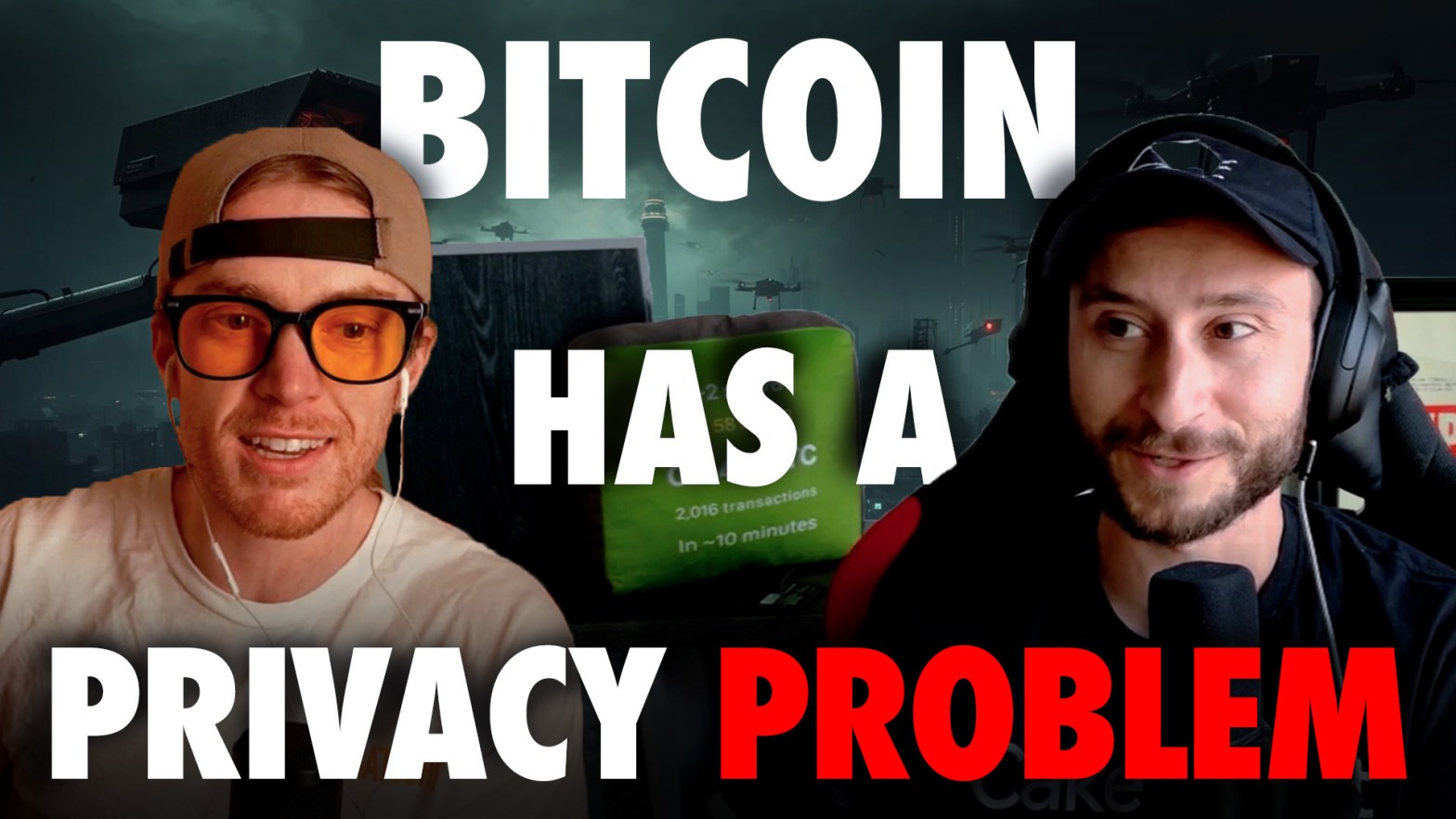
But Bitcoin is not private by default.
The base chain is public. Every transaction lives forever. Every UTXO leaves a trail. And as surveillance tools, AI, exchange KYC databases, and chain analysis companies improve, the privacy mistakes people make today may become much more dangerous tomorrow.
This matter because money is not just a number in an app.
Money reveals all… where you go, who you support, what you believe, who you do business with, what causes you fund, what communities you belong to, and how much personal sovereignty you actually have.
A world where every payment is monitored is not freedom. It is financial surveillance with better branding.
This is why the Bitcoin privacy debate is not a niche topic for paranoid cypherpunks. It is not a side quest. It is not “altcoin talk.” It is fundamental to whether Bitcoin can function as real peer-to-peer electronic cash.
If Bitcoin becomes nothing more than an ETF asset held by custodians, then the system wins.
They do not need to “kill” Bitcoin. They just need to domesticate it.
Privacy is what allows Bitcoin to act as freedom money.
Without privacy, people self-censor. Merchants become afraid. Builders get targeted. Users become easier to deplatform, surveil, tax, blacklist, or intimidate.
And yes, this is where some Bitcoiners get uncomfortable.
Because if we are honest, Monero has forced the conversation. Privacy-by-default matters. UX matters. Tools that work for normal people matter.
That does not mean Bitcoin has failed. It means Bitcoiners need to stop pretending the privacy problem does not exist.
Lightning, CoinJoin, PayJoin, Silent Payments, self-custody, peer-to-peer acquisition, running your own node, and better wallet design all matter. So does defending the people building privacy tools.
It’s time to let go of the tribalism and re-orient around the real mission: improving human freedom.
Bitcoin is a tool. A powerful one. Maybe the most important monetary tool humanity has ever had.
But if we want Bitcoin to be more than digital gold in a brokerage account, we have to fight for its ability to be used privately, permissionlessly, and peer-to-peer.
Full episode with Seth for Privacy @ We Are Satoshi podcast and YouTube channel.