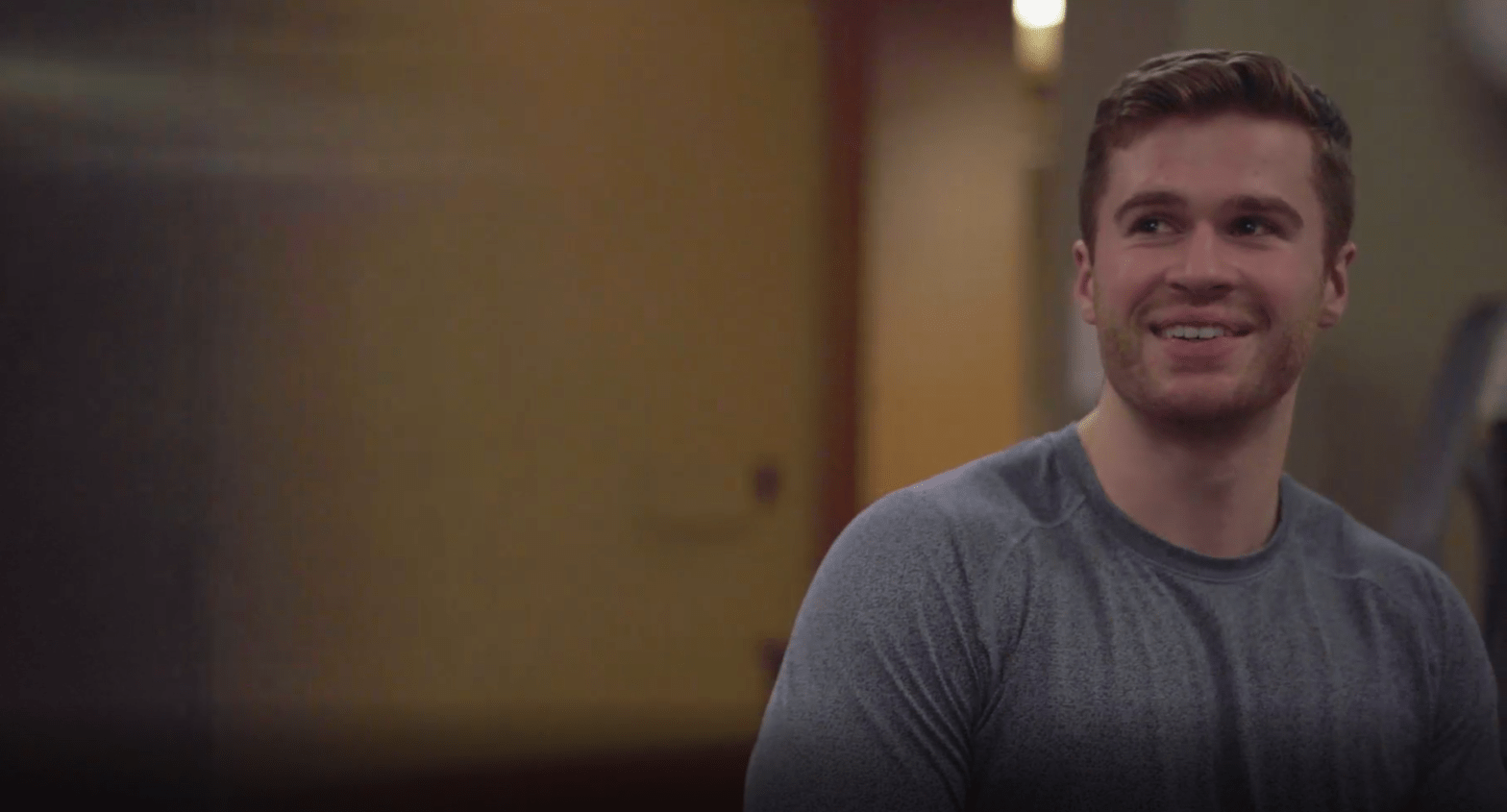
This cut is meant to showcase both cinematography and editing skill. Big thanks to my brother Steve for appearing in the video and getting his second workout of the day.
Video-Maker | Building on Bitcoin | We Are Satoshi Podcast
This cut is meant to showcase both cinematography and editing skill. Big thanks to my brother Steve for appearing in the video and getting his second workout of the day.
After taking a year away from academics to work and travel abroad, I transferred to Seattle University and completed an individualized business degree focusing on international business management and marketing. I bought my second camera (after the first one was stolen), grew as a photographer and filmmaker, founded Kyle Huber Creative Studio and participated in the Banff Adventure Filmmakers Workshop. I also gained camera operator experience on commercial production sets and during live broadcasts of Seattle U athletic events.

In May, I joined Schendel Films to develop a feature-length documentary about an artist, conservationist, and adventurer, Tony Foster (TEASER). As Co Producer, I am responsible for communications and outreach. Our primary partner, The Foster Art and Wilderness Foundation has been amazing in supporting development of the film. Writing grants, communicating with potential partners, sponsors and donors and planning production, I’ve seen first hand how much effort goes into bringing a story to life on screen. I’m glad to announce production begins this June with a five-day rafting trip down the Green River in Utah. We are also thrilled to have fiscal sponsorship from the Redford Center- the generous extension of Redford’s 501(c)(3) designation allows for donations to the project to be considered tax-deductible: Redford Center Landing Page here: Redford Center Landing Page
Going forward, I will be pursuing a career in film direction and production. I’m drawn to the power of film as a medium for change. In addition to Tony Foster, Journeys, I am currently directing and producing two short films. The first, 52 Weeks a Year, follows two mountain-loving ski bums through the challenges of managing work and play. The second short, Mama River, shadows 2x cancer survivor and world-record holding extreme long distance swimmer Dean Hall as he prepares to become the first person to swim the River Tay in Scotland.

To pay the bills and hopefully move out of my parents basement sometime soon, I am continuing to build Kyle Huber Creative Studio, offering photography and video solutions for businesses and organizations in the Pacific Northwest. Next time you hear of someone looking for a reliable, efficient and experienced videographer or photographer, drop me a line!
Follow my journey in 2019 by subscribing below
This is the first piece of advice in Jordan Peterson’s new best-selling book, “12 Rules for Life: An Antidote for Chaos.” How you position your physical body makes a real impact over time. Not only does standing up straight engage your muscles correctly, ensuring proper posture, but the conscious act of standing up straight will remind your subconscious self that you matter.
It’s been said a million times before: you are an average of the five people you spend the most time with. Your habits, values, and mindset are influenced by your closest peers, so be intentional about who you spend time with.
Start by making a list of the activities and hobbies that you enjoyed as a kid- art, athletics, music, writing, or whatever it is… Then ask yourself, “when was the last time I felt true JOY?” Take yourself back to that moment and make note of where you were, who you were with, and what you were doing. Is there anything you’ve never done that you’d like to try? Build that list, go out and make it happen! (Pictured above is me attempting glass-blowing)
This comes courtesy of my friend CJ, a self-motivated financial services professional. CJ’s ability to ignore distractions and say “no” to things that don’t move the ball forward has been a key to success early in his career. “You have to say no. That’s what it takes. Say no to distractions. Period.” It’s not to say that you can’t have fun or take time for leisure, but do what is best for yourself before catering to others.
How are you holding yourself back from achieving your goals? Procrastination? Distractions? Outside influences? Indulgence? You know what it is… so set a goal to bounce back. A few weeks ago on the Joe Rogan Experience, Dr. Andrew Weil referenced a study on people who attempted to quit cigarettes. While it’s long been thought that a failed attempt to quit smoking is not progress in the right direction, this study found otherwise. Folks who had tried to quit several times before were actually more likely to successfully beat their addiction. The point is, past failure doesn’t rule out success in the future.
Thanks for reading! Check out my previous posts on David Goggins and Mental Health.
And here is another link to a previous blog and highly recommended podcast discussion with Jordan Peterson.
Say what you want about the negative aspects of social media and our technologically integrated lives, one positive way I use social media is following people I look up to. Athletes, artists, people who have accomplished great things, and others with unique perspectives are everywhere on social media. One person I’ve been impacted positively by in 2018 is David Goggins. His new book, “Can’t Hurt Me” was just released in November. Goggins’ story and transformation is a true testament that an ordinary man can do extraordinary things.
https://www.youtube.com/watch?v=eClN__7Avuk
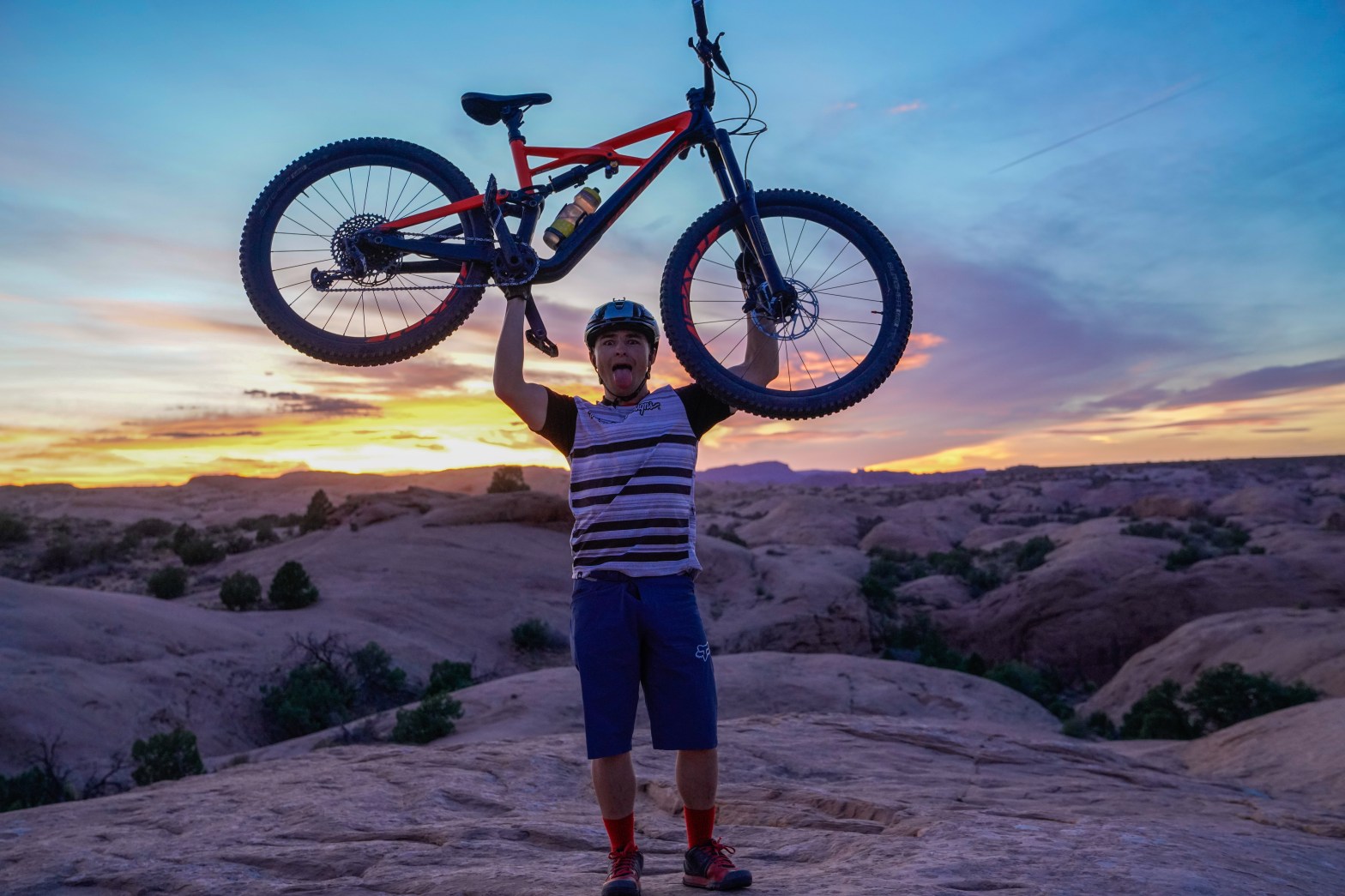
Last year I started mountain biking. I wanted to try something new, get some exercise, and have another excuse to be outdoors. Little did I know that taking up this new sport would have multiple unforeseen benefits.
Spring 2017- the first time out riding, a buddy challenged me to ride off a wooden feature with varying heights. There were four drops between 8 inches and 3 feet, leading into a soft dirt run-out below. I refused to try anything except the smallest one, and even that was terrifying. I remember telling my friend that never in a million years would I try the 3-foot-tall drop. No chance. Fast forward a few months and several lessons learned the hard way(about how to balance on a bike in mid-air), I was confidently riding features more gnarly than I could have imagined. I am well aware of my average-at-best skill level, but seeing improvement and pushing myself has impacted my life positively in other ways. When I look at a challenge, an opportunity, or a potential goal I don’t psyched-out imagining the pitfalls, time, effort, hard-work and discomfort I am signing up for. Instead I visualize the good stuff- the moments of bliss and the sense of purpose that make it all worth it.
Ripping down skinny trails, tilting the frame of the bike just enough that the tires don’t slip, gripping the handlebars, barely hearing the ambient sounds of the hub spinning and wind in your face…there is no time for a lapse in focus. At this moment nothing else matters. You are immersed in the present. Mountain biking is not the only way to achieve the type of laser-focus I am talking about here. Folks find it through art, music, social interaction, or other types of outdoor activity- a good hobby brings you into the moment.
This year I am taking up ski-touring (hiking uphill wearing skis with sticky skins on the bottom, then skiing down- no lifts, less traffic, more tranquility). Apart from finding new lines and experiencing the beauty of remote, snow-covered mountains, I am interested in ski-touring because it will allow me to push myself in new ways. Traveling in the back-country during winter brings its own set of challenges; for example, assessing snow conditions to avoid avalanche-prone areas requires a different type of risk assessment than choosing how to ride a mountain bike feature. I want to develop back-country navigation and ski-touring skills to be prepared for expeditions in the future.
A few weeks ago at the Banff Mountain Film Festival I met folks whose technical abilities and conditioning, both as athletes and filmmakers far outmatch mine. The physical and psychological challenges involved with filming in harsh conditions require anyone on the crew to be a top-tier athlete. Also, high altitudes and low temperatures are not compatible with electronics, hard drives, and cameras. It also became clear that managing technology in the back-country requires efficiency and knowledge that cannot be learned except through practice. Ski touring will allow me to develop these skills.
In closing, simply taking up a new hobby or sport does not ensure personal development and growth. Mindset determines these outcomes: if you are willing to push yourself and embrace challenges enthusiastically, then the growth will come.
5-second clip from earlier today:
Last week I had the opportunity to attend the Banff Mountain Film Festival and take part in the Adventure Filmmakers Workshop. Led by adventure film legends Keith Partridge and Michael Brown (“The Weight of Water”, Grand Prize Winner) the workshop touched on every aspect of making a film, from pitching and planning to post production and distribution. Overall, the workshop inspired me to throw my excuses out the window and just make it happen.
One of the best parts of the workshop was attending the festival screenings at night. From ‘Radical Reels’ to the ‘Snow Show’, and everything in between, I was able to get a grasp on storytelling through the lens of adventure-film making. Capturing visually-stunning footage is one thing, but telling a compelling story is another.
During the workshop we were assigned teams and given a simple, yet challenging task: make a film in 2 days. We got to it and ultimately used every spare minute to complete the film- which was edited in about 5 hours. My team’s film is called Banff in the Blood, about a former Olympic bi-athlete Sarah Murphy.
There are five films each under three minutes long: Adventure Filmmakers’ Short Films
In preparation for the Banff Adventure Filmmakers Workshop next week I’ve put together my first ever showreel. This 90-second combination of footage from two short films (When Our Path’s Cross, Leave It As It Is) and a handful of videos I’ve made over the past year demonstrates my love for adventure and ambition to produce amazing visual images.
Check out my 6-minute short film, Leave It As It Is
To contact me go to: About
Great people, beautiful landscapes, and perfect weather… what more could you ask for?
When it comes to health, there’s a lot of hearsay out there these days. World-renowned scientists, health experts, doctors and researchers disagree about fundamental aspects of human health; implications of exercise, diet and other lifestyle factors are hotly contested (see podcast debate between Dr. Chris Kresser and Dr. Joel Kahn on the topic of meat consumption: source ), making it nearly impossible for the average person to determine what is healthy and how to live.
As science has advanced, the internet has become an effective channel for disseminating information to the masses. For decades, people relied on scientific journals, newspaper articles, books and magazines to stay up-to-date. Today, podcasts, blogs, and web content are even more accessible than their predecessors. Dr. Jordan Peterson compares podcasting to the Gutenberg revolution(printing press); newspapers require that consumers know how to read, while podcasts can be consumed by anyone with a computer or smart phone while working, exercising or commuting.
Dr. Matthew Walker, Professor of Neuroscience and Psychology at the University of Cal Berkeley shares some recent (and not so recent) revelations regarding sleep. Today I am sharing some of the major takeaways from the discussion. Find the full podcast here: Joe Rogan Experience #1109 – Matthew Walker
For those sleeping 5-6 hours a night, these findings are not convenient. While many claim they only need 6 hours to function, the science says otherwise. It may take months or years for sleep deprivation to result in serious health consequences. In addition, the adaptability of the human body compensates for lack of sleep and prevents individuals from noticing negative effects. Rather than sleep less, people should find ways of increasing their productivity through cutting out time-wasting activities such as late-night phone use and television. The less you sleep, the shorter your life will be.
But don’t take my word for it… investigate Dr. Walker’s claims at SleepDiplomat.com